
Micro-Dramas: The Fastest On-Ramp to Brand Entertainment
Micro-drama apps now hold attention longer each day than Netflix or Disney+. Seasons cost a fraction of television, and the format is the closest modern match to P&G's radio economics. For brands, it is the lowest-cost way in.

If a feature film sounds like a reach, start smaller. Micro-dramas, short vertical episodes built for the phone, are the fastest-growing format in entertainment, and they are where brands are entering production right now.
The numbers
- An $11B industry in 2025, headed for $26B by 2030 (Omdia).
- More than 2.3B app downloads in 2025, more than doubling year over year.
- ReelShort users average 35.7 minutes a day on mobile, more than Prime Video (26.9), Netflix (24.8) or Disney+ (23.0).
The economics
A season can be made for $150K to $300K, with roughly two months from script to launch and eight to ten shoot days. Those are the economics that let P&G run 21 radio shows at once in the 1930s, reborn on modern rails. P&G itself plans as many as 100 micro-dramas in 2026.
The clip is the show
Some of the most efficient new shows skip long form entirely. Subway Takes was built clips-first by a two-person crew and became a cultural fixture, adding a long-form podcast only later. As its creator Kareem Rahma put it: "There is no long form. The show is the clips."
Where it fits
Short-form doesn't replace long-form. It extends it. Long-form video on YouTube builds authority. Short-form and micro-series widen reach and test which stories land. For a firm entering entertainment, a short series is the lowest-cost, highest-velocity way to find out what your audience will watch before you commit to a full show.
This article is part of the case laid out in Entertainment Is a Business Driver. Want to see where your own video stands? Take the two-minute video scorecard.
Sources
Founder & Executive Producer
Ryan Harper founded Harper Belmont Media to help executives, brands, and institutions build authority through high-trust video. With over a decade of experience in documentary-style production, Ryan leads HBM's creative vision and client strategy. He believes video is a public operating system—a strategic pillar that compounds trust over time.
Continue Reading
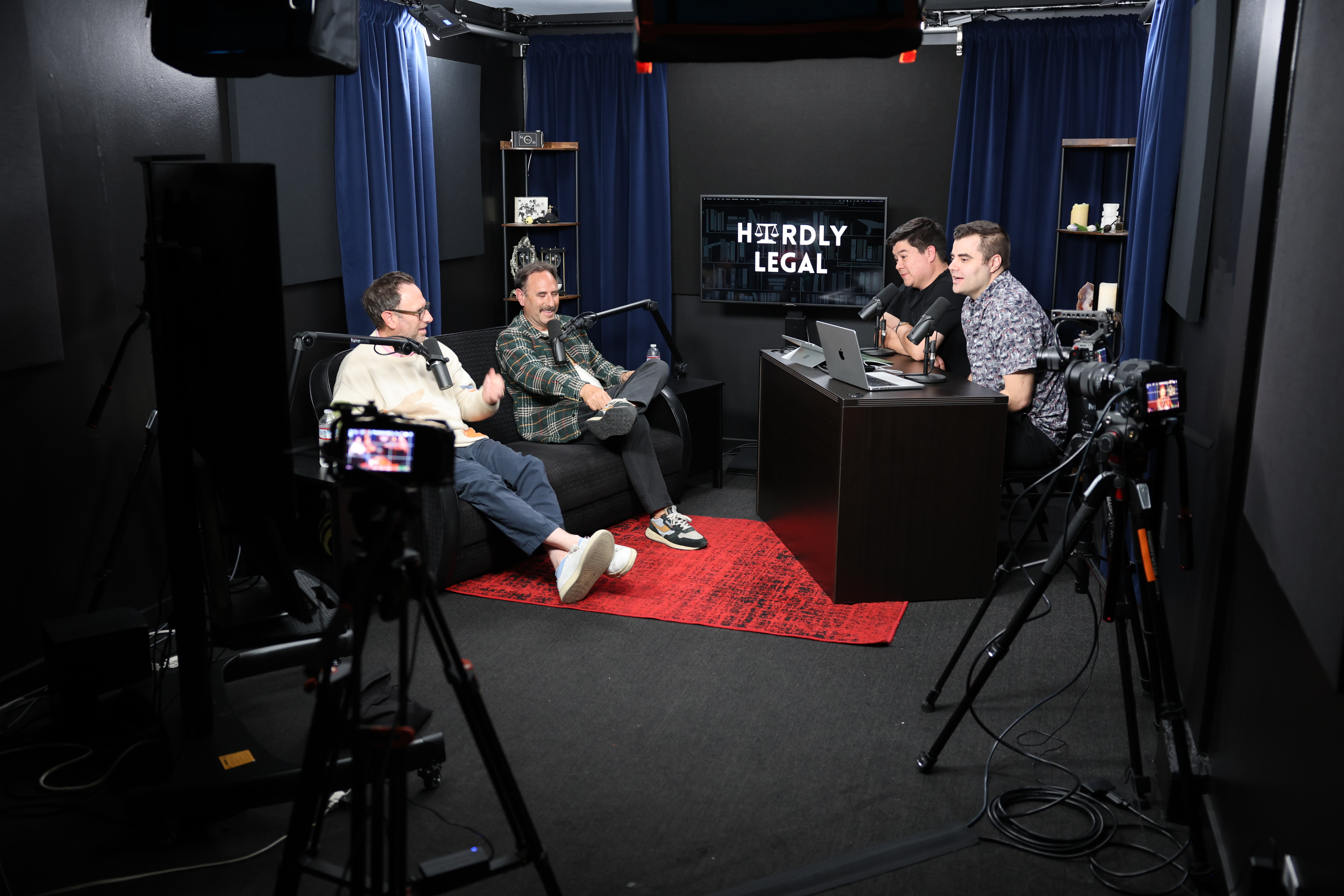
YouTube: The Broadcast Backbone of Modern Business Strategy
YouTube isn't just a social platform—it's the largest digital broadcast network in history and the second-largest search engine. With 2.7 billion monthly users and 13.4% of all U.S. TV viewing (Nielsen, April 2026), businesses treating YouTube as secondary are already behind.
The F1 Playbook: How a Movie Sold $750M in Broadcast Rights
Formula 1 made a movie about itself, then sold the rights to watch. The docuseries, the film, the streaming deal and the sponsorships worked as one funnel. Here is how, and what it means for any business.
The Wrexham Model: How a Docuseries Turned $2.5M Into $470M
Ryan Reynolds and Rob McElhenney built the documentary before they built the roster. Four years later, a fifth-tier Welsh football club is valued at $470M. The show didn't document the turnaround. The show was the turnaround.